

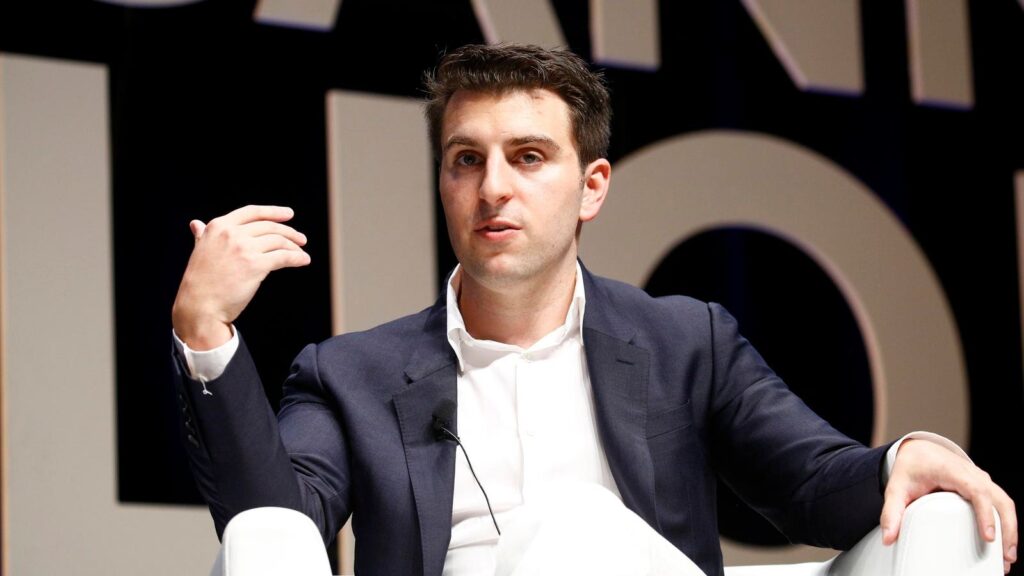
Airbnb Chief Executive Officer Brian Chesky has warned that artificial intelligence could either trigger massive social upheaval or usher in a renaissance, arguing that the technology industry must work more closely with the public to shape its impact.
Speaking on The CEO Signal podcast with Penny Pritzker and Andrew Edgecliffe-Johnson, Chesky said Silicon Valley was becoming disconnected from ordinary people whose lives would be transformed by emerging technologies.
“Silicon Valley is in a bubble, and society feels like AI is happening to them, not for them,” Chesky said.
He argued that the growing disconnect between technology leaders and the wider public could undermine efforts to ensure artificial intelligence benefits society.
Chesky illustrated the problem by recounting a conversation with an unnamed prominent individual, in which he questioned whether the person regularly interacted with people outside their wealthy social circle.
“I talked to one famous person. I won’t mention who, and I said, ‘Do you talk to a regular person?’ He goes, ‘Yes, such and such.’ And I’m like, ‘Well, that’s your nanny. You pay them.’ And you’re like, ‘Well, this and that.’ I’m like, ‘That’s your chef. You pay them.’”
According to Chesky, the technology industry needs people capable of bridging the gap between Silicon Valley and the rest of society, adding that he believes he could help bring the two sides closer together.
The Airbnb CEO cautioned that artificial intelligence’s ultimate impact would depend on how society responds to the technology and whether stakeholders work together to manage its consequences.
“AI can go in two directions. It could either lead to mass dislocation, to like massive upheaval of society, or it could lead to a renaissance. AI is neither good nor bad. It’s whether or not we work together. And right now we’re not working together. And the not working together is perilous.”
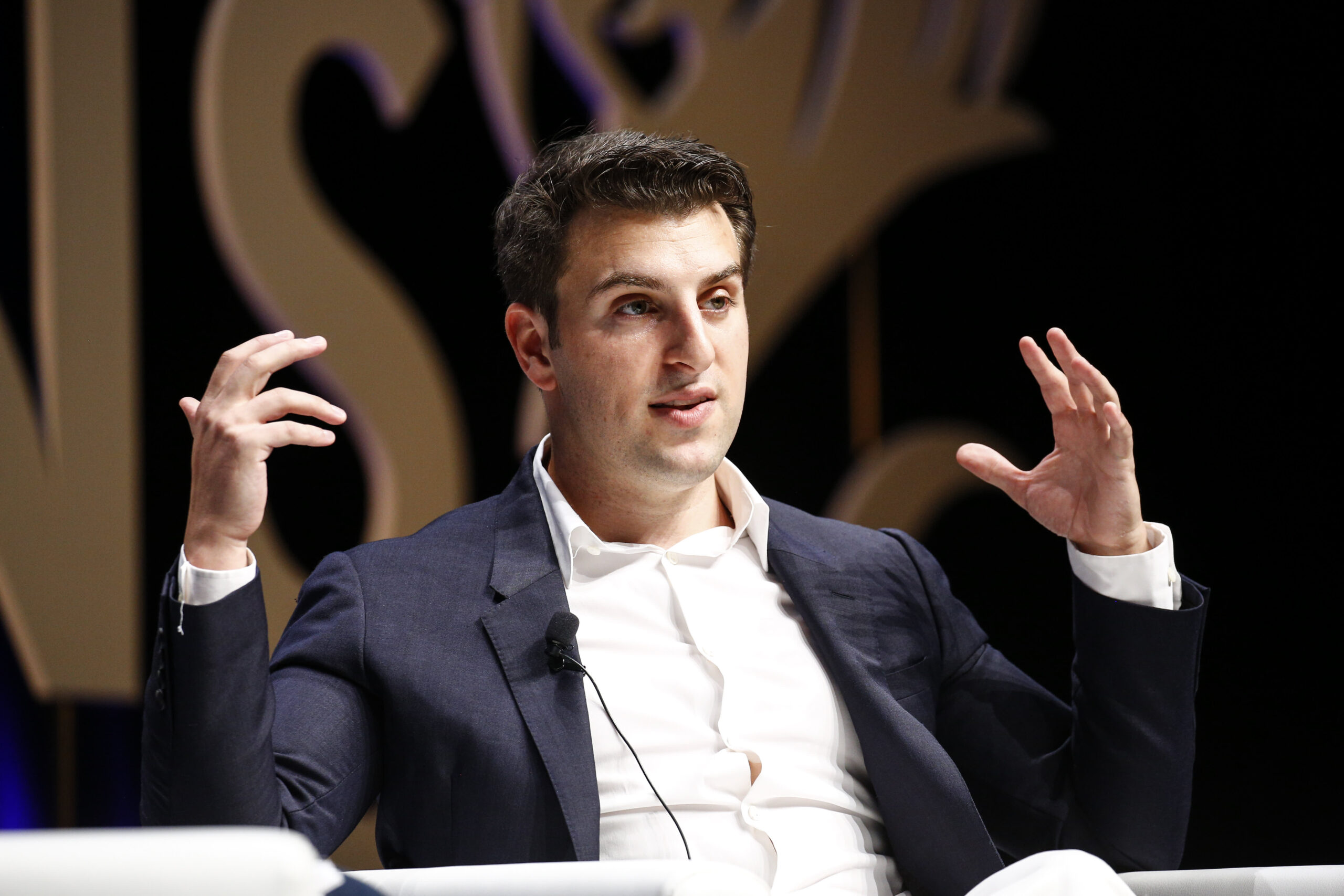
His remarks highlight concerns about the potential disruption artificial intelligence could cause across industries and communities, alongside opportunities for innovation and societal advancement.
Chesky’s position is that the technology itself does not determine the outcome. Instead, cooperation among technology companies, policymakers and the public will play a significant role in determining whether AI creates widespread disruption or delivers broader benefits.







Beyond artificial intelligence, Chesky discussed how his background in industrial design influences his approach to running Airbnb, the accommodation and travel platform he co-founded.
He explained that he views design as more than the appearance of a product, describing it as a process of assembling different elements to create something better.
“I’ve always thought of design as how something works. Another way of saying design is, design is just a way to assemble something better. And kind of that’s what a CEO does. You assemble resources, you assemble teams, you assemble people, you assemble product offerings.”
Chesky said this perspective shapes how he approaches leadership, including recruitment, team building and organisational decisions. He described Airbnb as a three-dimensional model in his head, an approach that informs how he thinks about the company’s various functions and how they fit together.
His hands-on involvement in organisational decisions reflects his belief that a company’s founder has a responsibility to preserve its original vision as it grows.
“The founder is the keeper of the dream,” he said.
Chesky also outlined a vision for Airbnb that goes beyond accommodation bookings, describing plans for a system that could use verified identities, personal preferences and connections to help match people with relevant experiences and services.
He drew a comparison with Facebook’s approach to mapping relationships between people online, saying he wanted Airbnb to develop a similar network based on real-world connections.
“Facebook was creating a digital social graph. I want to create a real world social graph where we have this really robust profile, this trust credential. We verified 200 million identities. So imagine if we verified you are who you say you are. You have a profile, you have your whole library of preferences. And then we can then figure out how you’re connected to everyone else in the world. And then our job is matchmaking.”
