


The Kenya Revenue Authority (KRA) has surpassed the Ksh1 trillion revenue collection milestone for the current fiscal year, reaching Ksh1.010 trillion by the end of October 2026, a full month earlier than in previous financial years.
The authority also exceeded its October revenue target, collecting Ksh260.630 billion against a target of Ksh258.304 billion, representing a performance rate of 100.9 percent and a surplus of Ksh2.327 billion.
“In addition to surpassing the KES 1 trillion revenue milestone, KRA also exceeded its October 2026 revenue target,” the authority said in a statement, adding that October’s collections represented a revenue growth of 15.5 percent compared with growth rates of 8 percent and 6.5 percent recorded in the corresponding months of 2025 and 2024, respectively.
The Customs department recorded its highest-ever monthly revenue collection in KRA’s history, raising Ksh94.793 billion in October, surpassing its previous record of Ksh92.527 billion achieved in July 2026.
The department exceeded its October target by Ksh1.009 billion, posting a performance rate of 101.1 percent and annual growth of 11.3 percent.
Commissioner for Tax, Research and Analysis Alex Mwangi attributed the improved Customs performance largely to non-oil taxes, which recorded a surplus of Ksh7.243 billion and growth of 26 percent.
Domestic Revenue also surpassed its October target, collecting Ksh165.447 billion against a target of Ksh164.110 billion, representing a surplus of Ksh1.337 billion and growth of 18.1 percent compared with the same period last year.
Corporation Tax posted one of the strongest performances, with collections reaching Ksh23.932 billion against a target of Ksh20.077 billion, translating into a performance rate of 119.2 percent and growth of 31.6 percent.
Four key economic sectors – electricity, manufacturing, transportation and wholesale – accounted for approximately 81 percent of Corporation Tax collections during the month.
 KRA Announces New Tax Filing Deadline for Individuals From 2027
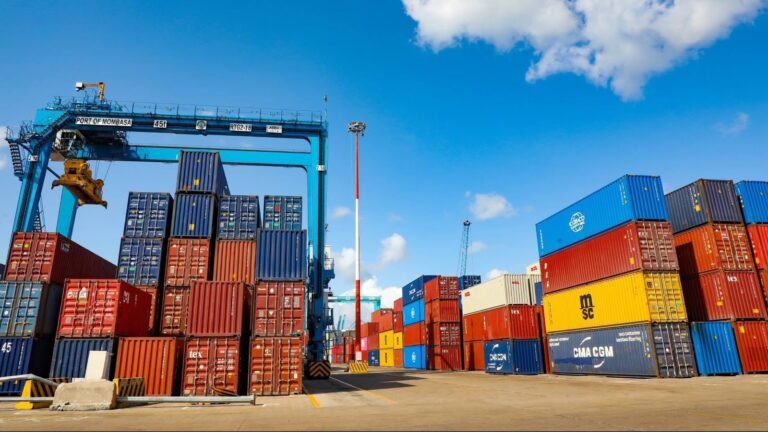 KRA Releases List of 30 Goods Excluded From Ksh2 Million Cargo Clearance Deal
 World Bank Flags Ksh120M KRA Stamp Loss, Ksh6.6B Cooking Oil Scandal in Corruption ReportKRA Breaks Down New Import Declaration Requirements for Small-Scale Traders






The latest milestone reflected a sustained upward trajectory in revenue mobilisation, with KRA having recorded Ksh2.571 trillion in collections during the previous financial year ending June 2025, surpassing its target of Ksh2.555 trillion with a performance rate of 100.6 percent.
The authority had credited that performance partly to growth in oil taxes, which contributed Ksh338.276 billion, and enhanced customs enforcement measures.
KRA’s collections have progressively risen from Ksh1.58 trillion in FY2018/2019 to Ksh2.166 trillion in FY2022/23, and further to Ksh2.844 trillion in the 2025/26 financial year.
The authority has attributed much of the improvement to a widening digital compliance net, including the electronic invoicing system eTIMS, which had onboarded more than 750,000 taxpayers by June 2026, and the GavaConnect platform, which allows businesses and fintechs to embed tax services directly into their systems.
For the 2026/2027 financial year, KRA is pursuing an ambitious revenue collection target of Ksh3.268 trillion.
Mwangi expressed confidence that the authority would sustain the upward trajectory and achieve the set target, which is expected to support the government’s financing requirements and sustain economic growth.
The authority also thanked taxpayers for their contribution towards meeting its revenue targets, stating: “KRA appreciates all taxpayers for remaining committed to honouring their tax obligations and supporting Kenya’s economic sustainability and development”.
